Explore modern quick-release terminals and legacy solutions for efficient automotive maintenance.
Discover how quick-release battery terminals enhance efficiency over traditional models. Learn about installation speed, conductivity, and corrosion resistance to make informed choices for your automotive needs.
TL;DR
-
Quick-release terminals win for enthusiasts - Tool-free operation saves hours annually for anyone who disconnects batteries regularly for storage, transport, or maintenance.
-
Material quality matters more than terminal type - Brass or copper construction provides optimal conductivity and corrosion resistance regardless of quick-release or traditional design.
-
Traditional terminals suit single installations - If you install once and rarely disconnect, bolt-on terminals offer adequate performance at lower upfront cost.
-
Switching is simple and reversible - Moving to quick-release terminals takes under thirty minutes with no special tools required.
- Safety favours quick-release - Lever-lock mechanisms stay secure during driving while enabling rapid emergency disconnection when needed.
Comparing Quick-Release Battery Terminals: Modern Solutions vs. Legacy Hardware
You're staring at corroded battery terminals on a project car. The wrench slips. Knuckles meet metal. Sound familiar?
This comparison examines modern quick-release battery terminals against traditional bolt-on clamps. We'll cover installation speed, conductivity, durability, and real-world usability for project car builds, track days, and storage scenarios.
If you're a JDM tuner, track racer, or 4x4 driver who disconnects batteries regularly, the right terminal choice saves hours annually. Let's break down which solution actually earns its place in your garage.
Quick Verdict: Which Terminal Type Wins?
Choose modern quick-release terminals if you disconnect batteries frequently, work on multiple vehicles, or value tool-free operation. Choose traditional bolt-on terminals if you install once and forget, prioritise lowest upfront cost, or work exclusively on vintage vehicles requiring period-correct parts.
For most project car enthusiasts, quick-release terminals pay for themselves in saved time within the first month of use.
How We Evaluated These Terminal Types
We assessed terminals across seven dimensions that matter most to project car builders and track enthusiasts.
Installation and Removal Speed
How quickly can you isolate the battery? This matters for storage, transport, and emergency cut-off situations.
Electrical Conductivity
Poor connections cause voltage drops, starting issues, and sensor malfunctions. Material composition directly affects performance.
Durability Under Stress
Track vibrations, off-road impacts, and repeated use cycles test terminal construction quality.
Corrosion Resistance
Battery acid fumes and environmental exposure degrade cheap materials quickly.
Ease of Maintenance
Can you clean and service the terminal without special tools or complete removal?
Safety Features
Secure locking mechanisms prevent accidental disconnection during operation.
Value Over Time
Initial cost versus replacement frequency and time savings determine true value.
Head-to-Head Breakdown
Installation Speed: The Defining Difference
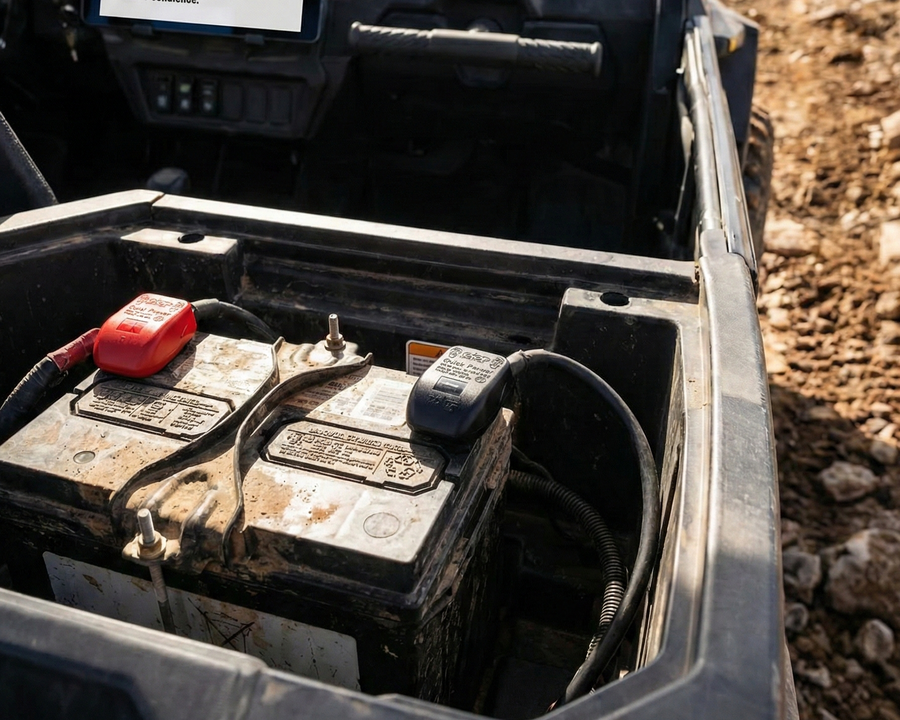
Quick-Release Terminals: Modern lever-action designs like the Klast Klamp install in under five seconds. No tools required. Flip the lever, position on post, close. Done.
This matters when you're prepping multiple cars for a track day or storing a vehicle for winter. The cumulative time savings add up fast.
Traditional Bolt-On: Expect two to five minutes per terminal with a wrench. Add time for corroded bolts, awkward angles, and dropped hardware in engine bays.
The process works fine for set-and-forget installations. It becomes frustrating for frequent disconnection.
Verdict: Quick-release terminals win decisively. If you disconnect batteries more than twice monthly, this alone justifies the upgrade.
Electrical Conductivity: Material Matters
Quick-Release Terminals: Quality units use brass or copper alloy construction. These materials offer excellent conductivity comparable to OEM specifications. Budget quick-release options sometimes use zinc-plated steel, which conducts poorly.
Traditional Bolt-On: Wide quality range exists. Lead alloy terminals conduct well but corrode easily. Brass aftermarket options perform excellently. Cheap pressed-steel terminals cause voltage drops.
Verdict: Tie, with a caveat. Both types perform well when quality materials are used. The Copper Development Association confirms brass and copper alloys provide optimal electrical transfer. Check material specifications before purchasing either type.
Durability Under Vibration and Impact
Quick-Release Terminals: Lever-lock mechanisms maintain consistent clamping pressure regardless of vibration. Swedish-engineered options like Klast terminals use precision-machined components that resist loosening during track use or off-road driving.
The locking mechanism actually improves connection security compared to bolt-on designs that can gradually loosen.
Traditional Bolt-On: Bolt tension decreases over time from vibration. Regular retightening is necessary, especially in high-vibration applications. Lock washers help but don't eliminate the issue entirely.
Verdict: Quick-release terminals with quality lever-lock mechanisms outperform traditional options in demanding applications.
Corrosion Resistance: Long-Term Reliability
Quick-Release Terminals: Brass construction resists battery acid fumes effectively. The quick-disconnect feature also allows easy cleaning and inspection, catching corrosion early.
Regular removal for storage naturally prevents the buildup that plagues permanently installed terminals.
Traditional Bolt-On: Lead terminals corrode visibly but maintain function longer than they look capable of. Steel terminals fail faster. Brass bolt-on options resist corrosion well but still accumulate buildup in hard-to-clean crevices.
Verdict: Quick-release terminals edge ahead. The combination of corrosion-resistant materials and easy inspection access provides better long-term reliability.
Safety Features: Preventing Problems
Quick-Release Terminals: Positive locking mechanisms prevent accidental disconnection during driving. Quality units require deliberate lever action to release. This matters for track use where sudden electrical failure creates dangerous situations.
The tool-free disconnection also enables faster battery isolation in emergency scenarios.
Traditional Bolt-On: Properly torqued connections stay secure. However, there's no quick-disconnect option for emergencies. Reaching for a wrench during an electrical fire costs precious seconds.
Verdict: Quick-release terminals provide superior safety through both secure connection and rapid emergency disconnection capability.
Value Assessment: True Cost of Ownership
Quick-Release Terminals: Higher upfront cost, typically two to four times traditional options. However, they eliminate tool wear, reduce installation time, and last longer due to superior materials. For enthusiasts who disconnect batteries regularly, the time savings alone justify the investment within weeks.
Traditional Bolt-On: Lower purchase price appeals to budget-conscious buyers. Factor in replacement frequency, tool costs, and time spent, and the value proposition weakens for active builders.
Verdict: Quick-release terminals offer better value for project car enthusiasts. Traditional options suit single-installation, budget-priority scenarios.
Use Case Mapping: Which Terminal Fits Your Situation
Track Day Preparation
If you transport vehicles to track events, choose quick-release terminals. Many tracks require battery disconnection for trailer transport. Tool-free operation means faster pit setup and teardown.
Seasonal Storage
If you store project cars or collector vehicles seasonally, choose quick-release terminals. Regular disconnection prevents parasitic drain without crawling under hoods with wrenches in cold garages.
Multi-Vehicle Workshops
If you maintain several project cars, choose quick-release terminals across your fleet. Standardised, tool-free operation streamlines workflow significantly.
Daily Driver Maintenance
If you're installing terminals once on a daily driver, traditional bolt-on terminals work fine. The cost savings make sense when disconnection is rare.
Vintage Restoration
If period-correct appearance matters, traditional terminals may be necessary. However, consider quick-release options for the negative terminal only, hidden from view, for practical benefits.
What Both Terminal Types Get Wrong
Neither quick-release nor traditional terminals solve the fundamental issue of battery post standardisation. Side-post batteries, top-post batteries, and various post diameters create compatibility headaches across vehicle types.
Both types also require proper sizing. Universal fit claims often mean compromised connection quality. Measure your battery posts before ordering either type.
Finally, neither terminal type compensates for undersized battery cables. The best terminals in the world can't fix voltage drop from inadequate wiring.
Switching Costs: Making the Change
Switching from traditional to quick-release terminals takes under thirty minutes for most vehicles. No special tools required for installation. The existing cables attach to the new terminals using the same connection points.
The primary cost is the terminals themselves. Expect to pay more upfront for quality quick-release options. Klast offers their Klamp with a one-year warranty and clear installation guides, reducing the risk of a poor purchase.
There's no lock-in with either terminal type. Switching back to traditional terminals requires only the time to reinstall them. However, most enthusiasts who try quality quick-release terminals don't return to bolt-on options.
Consider switching when you next replace corroded terminals anyway. The incremental cost above replacement traditional terminals is minimal compared to starting fresh.
Final Recommendation
For project car enthusiasts, JDM tuners, track racers, and 4x4 drivers, modern quick-release battery terminals outperform traditional bolt-on options in nearly every meaningful category.
Choose quick-release terminals if you value your time, disconnect batteries regularly, or want emergency cut-off capability. Choose traditional terminals only if budget is the primary constraint and you install once without future disconnection needs.
The Klast Klamp represents the best quick-release battery terminals for cars in the enthusiast segment. Swedish engineering, brass construction, and tool-free operation deliver on the promise of faster, more reliable battery maintenance. Order from Adelaide with fast global shipping and get back to what matters: driving.
Frequently Asked Questions
What are the best battery terminals for project cars?
Quick-release terminals with brass or copper construction offer the best combination of conductivity, durability, and convenience for project car applications. Look for lever-lock mechanisms that maintain secure connections under vibration while allowing tool-free disconnection.
What is the best product to put on battery terminals?
Dielectric grease applied to clean terminals prevents corrosion without affecting conductivity. Apply a thin layer after cleaning terminals with a baking soda and water solution. Avoid petroleum-based products that can degrade certain terminal materials over time.
Should you spray WD-40 on battery terminals?
WD-40 can displace moisture and provide temporary corrosion protection, but it's not ideal for long-term use. It attracts dust and can leave residue that affects connection quality. Purpose-made battery terminal protectant sprays or dielectric grease work better for ongoing protection.
Is zinc or brass better for battery terminals?
Brass outperforms zinc for battery terminals. Brass offers superior electrical conductivity, better corrosion resistance to battery acid fumes, and longer service life. Zinc-plated terminals cost less but conduct poorly and corrode faster in harsh conditions.
How often should I disconnect my car battery for storage?
For vehicles stored more than two weeks, disconnecting the battery prevents parasitic drain from clocks, alarms, and computer modules. Quick-release terminals make this practical by eliminating the tool requirement. Alternatively, use a battery maintainer for vehicles stored in locations with power access.
Can quick-release terminals handle high-current applications?
Quality quick-release terminals with brass construction handle starter motor current draws without issue. The key is ensuring full contact surface area and proper clamping pressure. Cheap quick-release options with small contact patches or weak springs may cause voltage drops under high load.