Discover why adaptability is essential for the best side-by-side UTVs in challenging terrains.
Learn how terrain adaptability enhances UTV performance across diverse landscapes. This guide focuses on mechanical systems that ensure reliability in extreme conditions.
TL;DR
-
Suspension geometry determines capability - Independent rear suspension with 12 to 16 inches of travel maintains wheel contact across uneven terrain. Test articulation before purchase and inspect components before remote trips.
-
Electrical reliability enables everything - Every terrain-adaptive feature depends on battery power. Install quick-release terminals like the Klamp for tool-free isolation and carry basic electrical spares.
-
Drivetrain flexibility matches conditions - Learn when to use 2WD, 4WD, and differential lock modes. Engage 4WD before you need it, not after you are stuck. Inspect CVT belts regularly.
-
Start with electrical upgrades - Battery isolation protects against the most common remote failures and supports all other system improvements.
-
Preventive maintenance beats reactive repair - Inspect systems before trips rather than fixing failures in the field. Terrain adaptability for UTVs depends on integrated system health.
Why Terrain Adaptability Separates Great UTVs from Good Ones
Remote adventures expose every weakness in your setup. The trail that looked manageable on satellite imagery turns into a boulder field. The creek crossing you planned for sits three feet deeper after overnight rain. Your UTV either handles it or leaves you stranded.
Terrain adaptability for UTVs has become the defining factor in the 71.18% market share that utility terrain vehicles now command in North America. This growth reflects a simple truth: riders have learned that specialized machines fail in unpredictable conditions.
The best side-by-side UTV performs consistently across rock, mud, sand, and incline. It adapts to what the terrain demands rather than forcing you to adapt your route. Understanding why terrain adaptability matters will change how you evaluate your next machine and maintain your current one.
What This Guide Covers
This breakdown targets riders who push beyond groomed trails. If you run a UTV for remote work sites, back-country exploration, or serious off-road recreation, terrain adaptability directly affects your safety and productivity.
We focus on the mechanical and electrical systems that enable adaptability. We exclude cosmetic upgrades, comfort features, and brand comparisons. The goal is understanding why certain capabilities matter, so you can evaluate any UTV against real-world demands.
How We Evaluate Terrain Adaptability
Each factor below meets three criteria. It must affect performance across multiple terrain types. It must be maintainable in field conditions. It must have measurable impact on reliability during extended remote use.
1. Suspension Geometry Determines What You Can Attempt
Why It Matters
Suspension is not about comfort. It determines whether your wheels maintain contact with the ground during articulation. A UTV with poor suspension geometry loses traction the moment terrain becomes uneven. This forces you to choose between slower speeds and potential damage.
Many riders underestimate suspension because they test machines on flat ground. The difference becomes obvious on side-hills, rock gardens, and rutted trails where wheel travel and geometry keep you moving or leave you stuck.
What It Looks Like Today
Modern UTVs with strong UTV performance use independent rear suspension with 12 to 16 inches of travel. Adjustable preload and compression allow tuning for load conditions. The 400 CC to 800 CC segment leading with 54.9% market share reflects demand for machines that balance power with suspension capability.
Older designs used solid rear axles. These limit articulation and transfer shock loads directly to the frame. Current technology separates wheel movement from chassis stability.
How to Apply It
Check suspension travel specifications before purchase. Test articulation by driving slowly over uneven obstacles and watching wheel contact. Inspect bushings and shock seals before remote trips. Carry basic suspension tools for field adjustments. Match preload settings to your actual cargo weight, not empty vehicle specs.
2. Electrical System Reliability Enables Everything Else

Why It Matters
Every terrain-adaptive feature depends on electrical power. Fuel injection, electronic power steering, differential locks, and winches all draw from your battery. A weak electrical system creates cascading failures exactly when you need maximum capability.
Remote adventures compound electrical demands. Winch recoveries, auxiliary lighting, and communication equipment add loads your stock system may not handle. Terrain adaptability for UTVs starts with power delivery.
What It Looks Like Today
Gasoline-powered UTVs at 53.6% market share rely on conventional 12-volt systems with alternator charging. These systems work well until accessory loads exceed charging capacity. Smart riders upgrade to higher-output stators and lithium batteries for weight savings and faster recharge rates.
The shift toward electronic controls means more failure points. Modern UTVs can be disabled by a single corroded connection or drained battery.
How to Apply It
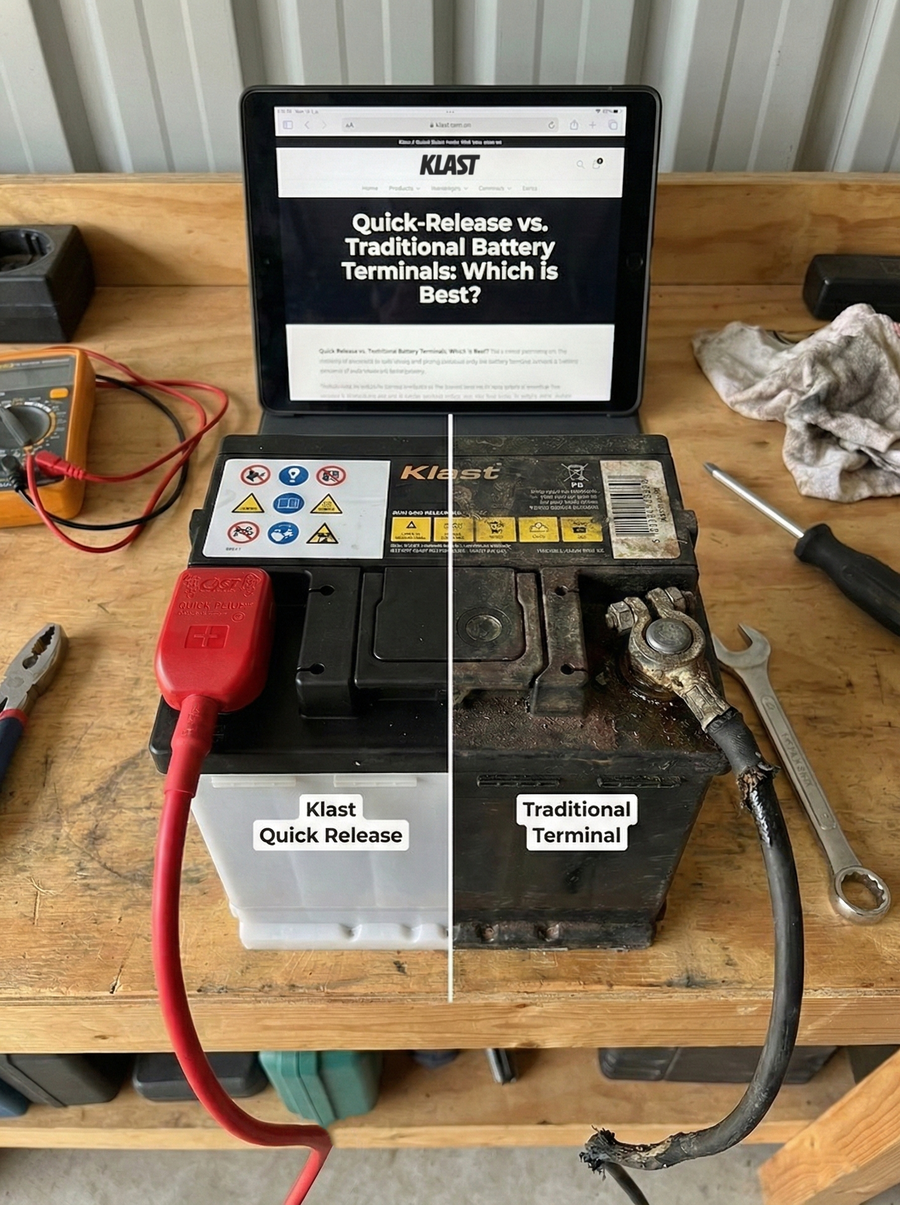
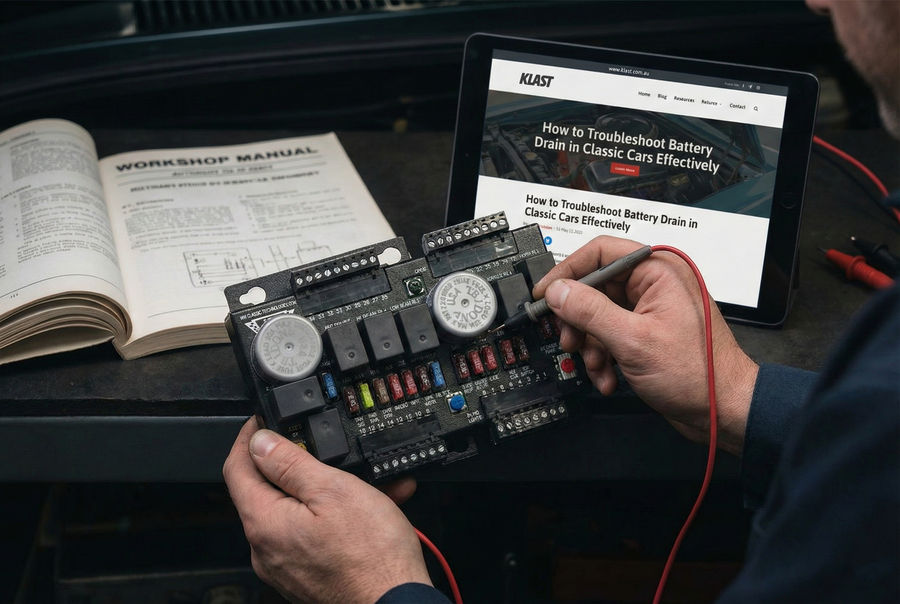
Install quick-release battery terminals like the Klamp from Klast for tool-free battery isolation. This prevents parasitic drain during storage and enables fast swaps when carrying a spare. Clean all electrical connections before remote trips. Carry a multimeter and spare fuses. Know which systems you can disable to preserve power for essentials.
3. Drivetrain Flexibility Matches Power to Conditions

Why It Matters
Raw horsepower means nothing if you cannot transfer it to the ground. Terrain adaptability requires drivetrain systems that adjust power delivery based on surface conditions. The best side-by-side UTV lets you choose between maximum traction and maximum efficiency depending on what the trail demands.
Locked differentials provide equal power to both wheels but fight steering inputs on hard surfaces. Open differentials steer easily but send power to the wheel with least resistance. Neither works everywhere.
What It Looks Like Today
Current UTVs offer selectable 2WD, 4WD, and differential lock modes. Some include turf mode for reduced ground disturbance. The Segway UT10 Crew with its 1,000cc engine and 105 horsepower represents the trend toward high-output powertrains paired with sophisticated traction management.
CVT transmissions dominate the market for their seamless power delivery across speed ranges. Belt maintenance becomes critical for reliability.
How to Apply It
Learn when to engage each drivetrain mode. Use 2WD on hardpack to reduce wear. Switch to 4WD before you need it, not after you are stuck. Engage diff lock only at low speeds in severe conditions. Inspect CVT belts for wear and carry a spare on extended trips. Check axle boots for tears that allow contamination.
Patterns Across All Three Factors
These factors share common threads. Each involves mechanical systems that require electrical power to function optimally. Each benefits from preventive maintenance rather than reactive repair. Each performs best when the operator understands its limits and engages it appropriately.
The utility segment's 37% market share reflects buyers who prioritize these functional capabilities over styling or brand loyalty. They understand that terrain adaptability comes from integrated systems, not individual features.
Notice also that each factor involves tradeoffs. More suspension travel means higher center of gravity. More electrical capacity means more weight. More drivetrain options mean more complexity. The best side-by-side UTV balances these tensions for your specific use case.
Where to Start
You cannot upgrade everything at once. Start with electrical system reliability. A solid electrical foundation supports every other improvement and prevents the most common remote failures.
Install proper battery isolation first. This single change protects against parasitic drain, enables safe maintenance, and allows quick disconnection during storage or transport. The Klamp system from Klast eliminates the need for tools during this process.
Address suspension and drivetrain maintenance second. These systems fail gradually through wear. Regular inspection catches problems before they strand you. Save major upgrades for after you understand your specific terrain demands through actual use.
Frequently Asked Questions
What are the key factors that determine UTV reliability?
UTV reliability depends on three interconnected systems: electrical integrity, drivetrain durability, and suspension robustness. Electrical systems power everything from fuel injection to differential locks. Drivetrain components transfer power to the ground. Suspension maintains wheel contact across uneven terrain. Weakness in any area creates cascading failures during demanding use.
How can I maintain my UTV for optimal reliability?
Focus on preventive maintenance before each remote trip. Check all electrical connections for corrosion and clean them with contact cleaner. Inspect CVT belts for wear, cracking, or glazing. Examine suspension bushings and shock seals for deterioration. Verify axle boot integrity. Carry spare fuses, a basic tool kit, and know which systems you can bypass in emergencies.
When should I perform maintenance on my UTV?
Perform thorough inspections before any extended remote trip. Check fluids, electrical connections, and wear items. After returning from demanding terrain, inspect for damage that may not be immediately obvious. Follow manufacturer intervals for oil changes and belt replacement, but shorten intervals if you operate in dusty, wet, or extreme conditions regularly.
What are the trade-offs between high-performance and utility-focused UTVs?
High-performance UTVs prioritize speed and suspension travel for aggressive trail riding. They typically have higher centers of gravity and reduced cargo capacity. Utility-focused UTVs emphasize payload, towing, and durability for work applications. They sacrifice top speed for low-end torque and stability. Terrain adaptability for UTVs often means choosing machines that balance both characteristics for your primary use case.
Why is battery maintenance critical for remote UTV adventures?
Modern UTVs depend on electrical power for essential functions including fuel injection, ignition, and electronic controls. A dead battery disables the entire machine. Remote locations offer no jump-start options. Quick-release battery terminals allow easy isolation during storage to prevent parasitic drain, and enable fast battery swaps if you carry a spare. This simple upgrade prevents one of the most common causes of remote vehicle failures.
How does engine displacement affect terrain performance?
Engine displacement affects available torque for climbing, towing, and recovery operations. The 400 CC to 800 CC range dominates the market because it balances power with weight and fuel efficiency. Larger engines provide more capability but increase fuel consumption and vehicle weight. Match displacement to your typical loads and terrain demands rather than choosing maximum available power.